
One Small Mistake, One Life Lost: Why Safety Should Never Be Ignored
Imagine waking up one morning, getting dressed for work, saying goodbye to your family, and promising to return home in the evening.
Nothing feels unusual. You have plans for the day. Someone is expecting you. Perhaps your children are waiting for you to return with something they asked for.
But by evening, you are not coming home.
Not because you were ill. Not because you were involved in a road accident. But because of a hazard that someone ignored, a precaution that someone skipped, or a danger that someone believed could never affect them.
It is an uncomfortable thought. Yet, it is one of the reasons safety deserves far more attention than it often receives.
At home, at work, on construction sites, and around electrical installations, we sometimes become so familiar with danger that we stop respecting it.
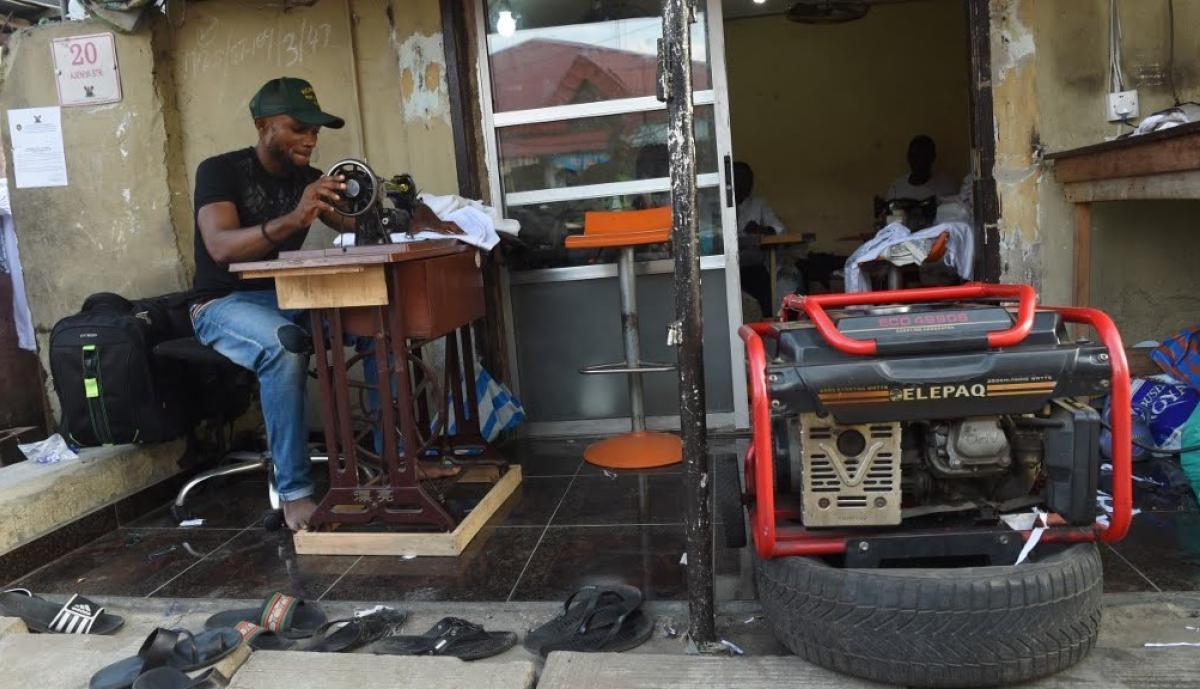
We have seen people handle electrical wires without proper protection. We have watched generators operate in poorly ventilated spaces. We have walked past exposed cables and faulty sockets, telling ourselves that everything will be fine.
And sometimes, nothing happens.
That is what makes unsafe behaviour so dangerous. Every time we take a risk and escape unharmed, we may become more confident about taking the same risk again.
Until one day, the outcome is different.
The Night a Generator Became a Silent Danger
Consider a scenario familiar to many households.
It is a hot evening. The electricity supply has gone off, and the family needs power to keep the lights on, charge their phones, and run a few essential appliances.
A generator is started.
Because it is raining, or because the noise is disturbing the neighbours, someone moves the generator into a garage, an enclosed passage, or a space too close to the windows.
The family settles down for the night.
Nobody sees a problem. The generator is working, the lights are on, and everyone is relieved to have electricity again.
But there is a danger they cannot see or smell: carbon monoxide.
This poisonous gas is produced when fuel-burning equipment such as petrol generators operates. Inhaling it can cause serious illness or death, and a person may not recognise the danger before becoming incapacitated.
The tragedy is that a generator does not have to catch fire or explode to become deadly.
In this scenario, the generator is doing exactly what it was designed to do: producing electricity. The danger comes from where and how it is being operated.
The US Consumer Product Safety Commission has documented hundreds of generator-related carbon monoxide deaths in its historical investigations. These cases demonstrate how a device intended to provide backup power can become a fatal hazard when used unsafely.
The lesson is simple: never operate a petrol generator inside a home, garage, or other enclosed or partly enclosed space. Keep it outdoors, well away from doors, windows, and air intakes, following the manufacturer’s safety instructions and applicable guidance.
Convenience is never worth a life.
The Cable Everyone Walked Past
Now imagine a different situation.
A worker arrives at a small business and notices that an electrical cable has damaged insulation. Part of the conductor may be exposed.
The cable has been there for several days.
People walk past it. Someone mentions that it should be repaired, but business is busy. There are customers to attend to, orders to complete, and money to make.
The worker thinks, “I will be careful.”
Then someone touches the wrong surface, or the damaged cable comes into contact with a conductive object. Under the wrong conditions, an electrical shock can cause severe burns, cardiac arrest, or death.
This is an illustrative scenario, not a report of a particular named victim. It reflects a genuine electrical hazard: damaged wiring and unsafe electrical work can have fatal consequences.
In April 2017, the Nigerian Electricity Regulatory Commission reported an electrocution incident in Calabar involving a snapped 11-kilovolt high-tension line beneath which a television viewing centre had been constructed. People were reportedly electrocuted, while others sustained injuries.
The incident was a reminder that electricity hazards are not limited to trained electricians or industrial facilities. They can affect ordinary people going about their daily lives.
A damaged cable, fallen power line, or exposed conductor must never be treated as harmless simply because it has not caused an accident yet.
If you notice a damaged electrical installation:
- Keep people away from the affected area.
- Do not touch the cable or attempt an improvised repair.
- Switch off the supply only if it is safe to do so.
- Contact a qualified electrician or the relevant electricity distribution company.
- Treat fallen or snapped overhead power lines as live and stay well clear.
Never let familiarity convince you that electricity is safe to touch.
“I Have Done This a Hundred Times”
One of the most dangerous sentences in safety is: “I have done this before, and nothing happened.”
A technician may have repaired equipment without isolating the power supply many times.
A construction worker may have climbed a ladder without securing it.
A business owner may have overloaded an extension socket for months without experiencing a fire.
A driver may have ignored a warning light and continued driving because the vehicle still appeared to work.
Each time the action produces no immediate harm, it becomes easier to repeat.
But previous success does not prove that an activity is safe. It may simply mean that the conditions for an accident have not yet come together.
Safety is not about being afraid of everything. It is about recognising that hazards are real, understanding how they can cause harm, and taking reasonable steps to prevent that harm before it happens.
At TRES Engineering, this principle is particularly important wherever electricity, generators, batteries, inverters, and other power equipment are involved.
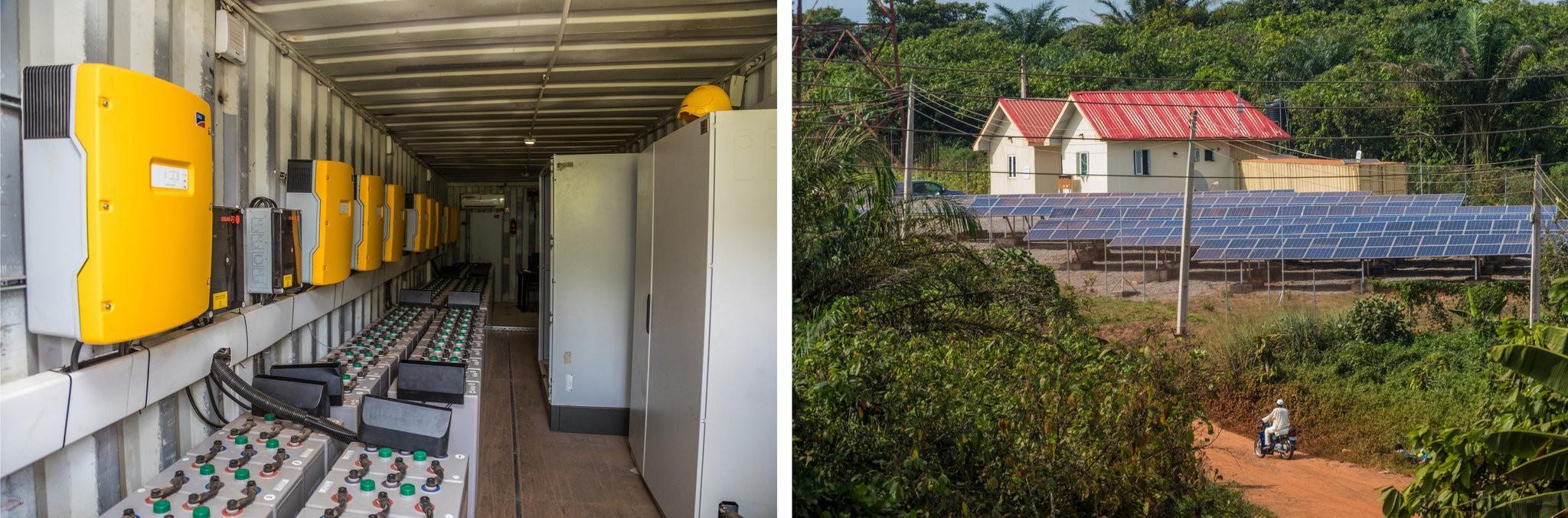
Before working on electrical equipment, the supply must be properly isolated, secured against accidental re-energisation, and verified as de-energised by a competent person using suitable equipment. Some installations may have multiple power sources, including batteries, solar panels, generators, and utility supplies.
Switching off one source does not necessarily make the entire installation safe.
That is why electrical work should be handled by appropriately qualified personnel who understand the equipment and the hazards involved.
When Saving a Few Minutes Costs Everything
Imagine a worker who is asked to carry out a repair at height.
The proper equipment is available, but setting it up will take time. A colleague is waiting. The deadline is approaching.
The worker decides to take a shortcut.
Perhaps the ladder is not secured. Perhaps there is no appropriate fall protection. Perhaps the worker climbs onto an unstable surface because it seems quicker.
A single slip can result in a life-changing injury or death.
This is another illustrative scenario, but the underlying risk is real. Falls, electrical incidents, fires, and other workplace hazards can cause serious harm when safety controls are absent or ignored.
The World Health Organization and International Labour Organization estimated that work-related diseases and injuries caused 1.9 million deaths in 2016. Their report is a reminder of the enormous human cost of unsafe working conditions.
Safety should never depend on whether a supervisor is watching, whether a job is urgent, or whether the worker feels confident.
Employers must provide safe systems of work, suitable equipment, training, and supervision. Workers must follow safe procedures and report hazards. Everyone must be able to stop unsafe work without being pressured to continue.
A deadline can be rescheduled. Equipment can be repaired. A job can be done again.
A human life cannot simply be replaced.
Five Safety Mistakes That Should Never Become Normal
Many serious accidents begin with everyday habits that people have come to accept.
1. Running a generator in an enclosed space
Generator exhaust can contain carbon monoxide. Operate fuel-powered generators outdoors, well away from buildings’ openings, and follow the manufacturer’s instructions.
2. Ignoring damaged cables and overloaded sockets
Frayed insulation, loose connections, overheating plugs, and overloaded extension boards can create shock and fire hazards. Stop using faulty equipment and arrange for a competent person to inspect it.
3. Working on equipment without proper isolation
Electrical systems may remain energised even when one switch has been turned off. Qualified personnel should isolate all relevant energy sources, prevent unexpected re-energisation, and verify that the equipment is safe before work begins.
4. Bypassing protective equipment and procedures
Protective equipment is not a substitute for removing hazards or applying proper engineering controls. Use the appropriate protective equipment and follow the safety procedure for the task.
5. Assuming that an accident will happen to someone else
Danger does not recognise experience, age, job title, financial status, or confidence. A safe habit matters even when the risk appears small.
What Should You Do When You Notice a Hazard?
Safety begins before an accident occurs.
At home, check your electrical appliances, sockets, cables, generator placement, and power equipment. Keep children away from electrical installations and ensure that repairs are carried out by competent professionals.
At work, identify hazards before starting a task. Confirm that equipment is suitable and maintained, that the correct procedures are in place, and that everyone understands their responsibilities.
If a situation is unsafe, stop the activity when you can do so safely, warn others, and report the hazard to the appropriate person.
Never attempt to rescue someone who is in contact with a live electrical source by touching them directly. Disconnect the power if it is safe to do so, call emergency services, and follow appropriate first-aid guidance.
Most importantly, do not wait for an injury before taking a hazard seriously.
Safety Is More Than a Rule. It Is a Responsibility.
Think about the people who expect you to return home.
Think about the colleague working beside you.
Think about the child who may walk into the area where you have left a dangerous cable.
Think about the family that depends on the person carrying out a repair, operating a machine, or maintaining an electrical installation.
Safety is not simply about avoiding fines, meeting regulations, or completing a checklist. It is about protecting people and ensuring that ordinary activities do not end in preventable tragedy.
The most successful job is not merely the one completed on time or within budget. It is the one completed properly, with people protected and everyone able to return home safely.
At TRES Engineering, we believe that engineering should improve lives. That commitment includes taking safety seriously whenever we design, install, operate, or maintain power systems.
Because reliable power means very little if the way we obtain it puts lives at risk.
Before You Move On, Ask Yourself These Questions
- Is the generator at my home or workplace positioned safely?
- Are there damaged cables, overloaded sockets, or faulty appliances that I have been ignoring?
- Do I know how to report an electrical hazard?
- Are repairs being performed by competent personnel using the correct safety procedures?
- Have I ever taken a shortcut simply because nothing bad happened the last time?
If any of these questions makes you uncomfortable, do not ignore that feeling. Use it as a reason to take action.
You do not need to wait for a tragedy to start practising safety.
The most important safety measure is the one you take before something goes wrong.
TRES Engineering — Engineering Better Lives.
Safety first. Every task. Every time.
Join the conversation
No comments yet. Be the first to share a thought.