
Nigeria’s Electricity Problem: Can Solar Energy Change the Way We Live and Work?
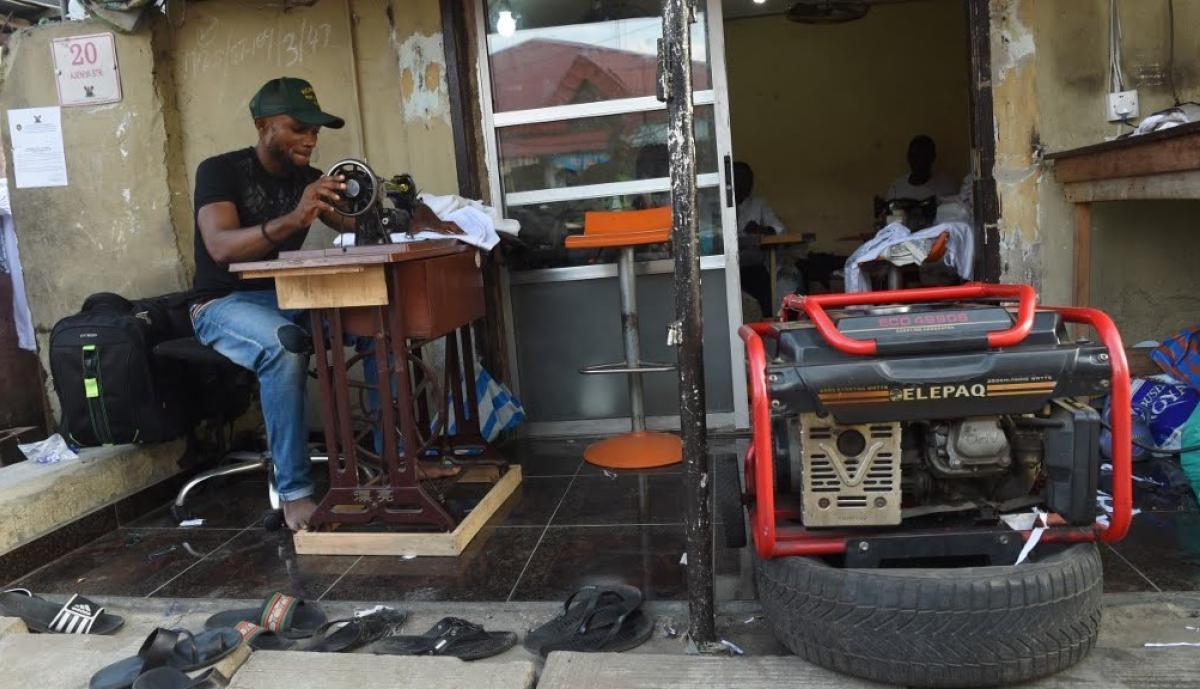
Imagine preparing for an important online meeting when the electricity goes off. A shop owner watches business slow down because the freezer needs power. A small company has to spend money on petrol or diesel just to keep working.
For many Nigerians, these situations are not unusual. They are part of the daily decisions people make around electricity: when to work, how much to spend, which appliances to use and how to keep a business running.
But here is a question worth asking: What if we stopped thinking about electricity only as something we wait to receive, and started thinking about how we can manage and generate more of our own power?
That is where solar energy, battery storage and smarter energy planning enter the conversation.
Nigeria’s Electricity Challenge Is Bigger Than a Power Outage
When electricity supply is unreliable, the impact goes beyond sitting in a dark room.
Businesses may spend money on fuel, generators require maintenance, and homes may have to plan everyday activities around the availability of power. For businesses that depend on refrigeration, internet access, machinery or consistent lighting, unreliable electricity can affect productivity and operating costs.
The challenge also involves the wider electricity system: generation, transmission, distribution, infrastructure investment and the financial sustainability of the market.
The Nigerian Electricity Regulatory Commission’s second-quarter 2026 figures, reported by Punch, show that electricity distribution companies received 6,982.32 gigawatt-hours of electricity during the quarter but billed customers for 5,812.31 gigawatt-hours. The report also recorded a decline in the volume of electricity received by distribution companies compared with the first quarter.
These figures do not explain every power outage or every household’s experience. However, they illustrate that Nigeria’s electricity challenge involves more than simply installing additional generating capacity.
Source: [Punch — DisCos earn N603bn as power offtake drops](https://punchng.com/discos-earn-n603bn-as-power-offtake-drops/).
Is Solar Energy Becoming a Bigger Part of Nigeria’s Future?
There is growing evidence that Nigeria’s energy conversation is expanding beyond the traditional national-grid model.
On 21 September 2026, Nigeria’s $300 million Distributed Renewable Energy Fund was commercially launched. According to Reuters, the fund is intended to support distributed renewable energy investments and expand electricity access, particularly through solutions that can serve people and businesses underserved by conventional infrastructure.
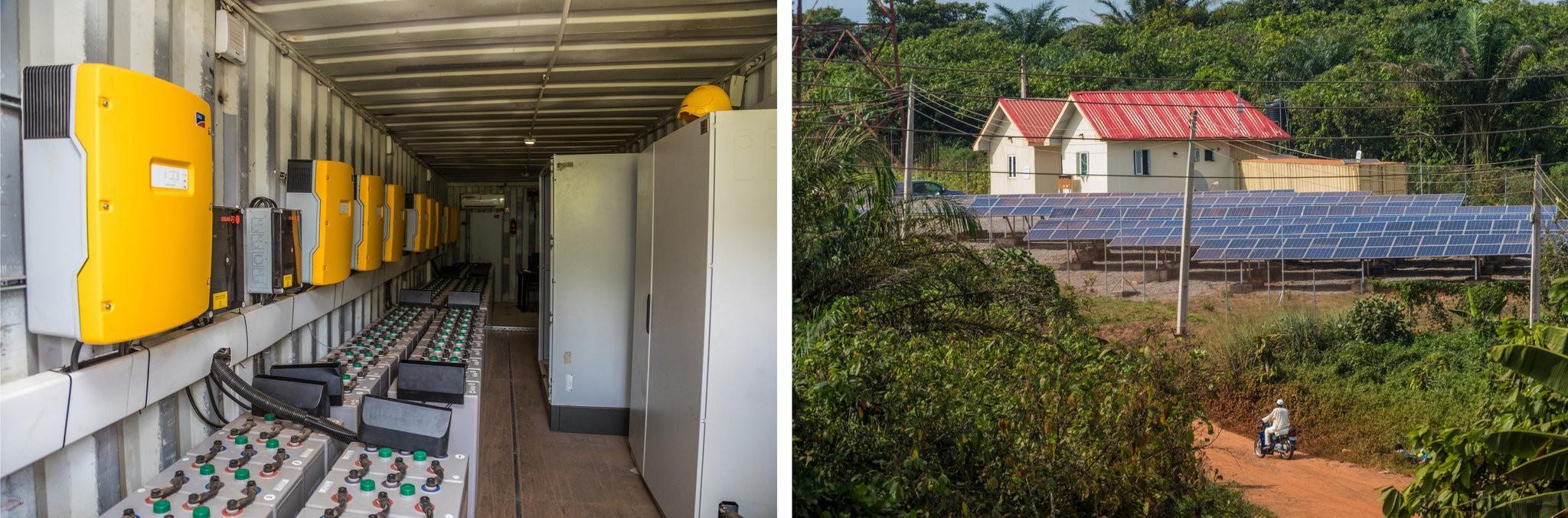
This is an important development because distributed energy can include solar home systems, mini-grids and battery storage. Rather than depending exclusively on electricity generated far away and delivered through the national grid, some users can access power closer to where it is needed.
Source: [Reuters — Nigeria launches $300 million clean energy fund](https://www.reuters.com/business/energy/nigeria-launches-300-million-clean-energy-fund-scale-off-grid-power-access-2026-09-21/).
There is also a significant local development in Oyo State.
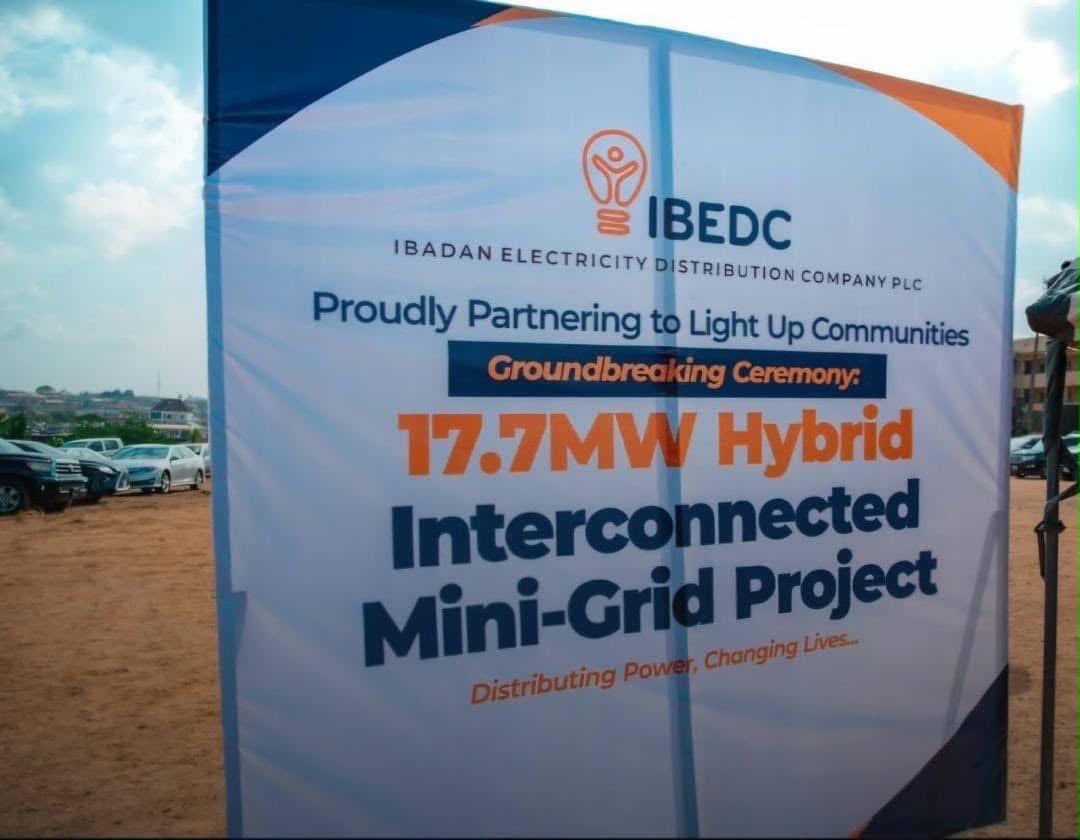
In October 2026, the Federal Government commenced construction of five interconnected mini-grid projects in the Ibadan area, with a combined planned capacity of 17.7 megawatts and a 17.74-megawatt-hour battery energy storage system. The projects are intended to serve five communities and target at least 20 hours of electricity supply daily upon completion.
The important distinction is that this is a project under construction, not a claim that the proposed supply has already been achieved. Its eventual performance will depend on implementation, commissioning and ongoing operation.
Source: [Federal Ministry of Information and National Orientation — FG breaks ground on 17.7MW Ibadan mini-grid](https://fmino.gov.ng/fg-breaks-ground-on-17-7mw-ibadan-mini-grid-targets-20-hour-daily-power-supply-for-five-communities/).
These developments do not mean Nigeria’s electricity problems have been solved. They do show that decentralised renewable energy and storage are receiving greater attention as part of the wider solution.
Why Solar Power Makes Sense for Some Homes and Businesses
Solar power is not magic, and it is not automatically the cheapest option for every situation. But a properly designed system can help users reduce their dependence on generators and manage electricity more predictably.
Here are four reasons it deserves serious consideration.
1. You can generate electricity where you use it
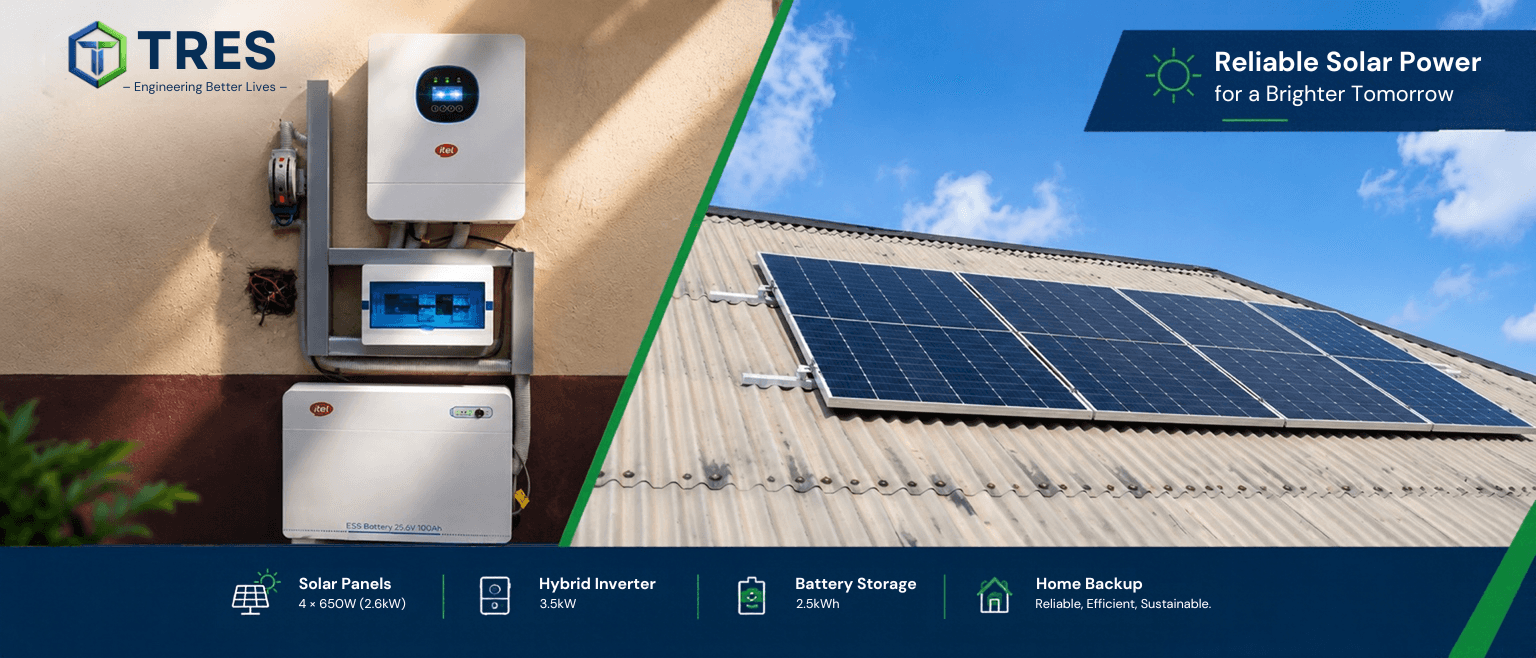
Solar panels convert sunlight into electricity that can be used by a home or business, subject to the system’s design and operating conditions.
This can be particularly useful for homes, offices, shops, salons and other businesses with suitable daytime energy demand.
2. Battery storage can help when the sun goes down
Solar panels produce energy when sunlight is available. A battery can store some of that energy for later use, depending on how much energy is generated, how much is consumed and the usable battery capacity.
This is why choosing an inverter alone is not enough. The panels, inverter, battery and connected appliances must be considered together.
3. You can plan your energy expenses more carefully
Generator fuel, servicing, repairs and replacement parts can add up over time. A solar system also requires an upfront investment, maintenance and eventual component replacement.
The sensible approach is to compare the expected cost of each option over its useful life, rather than assuming solar will always be cheaper immediately.
For a practical starting point, TRES Engineering’s power-cost tool can help users estimate and compare electricity, generator and fuel expenses. The result is an estimate, not a guarantee of future savings.
4. You can prioritise the loads that matter most
Not every appliance needs to run at the same time.
A household may prioritise lights, fans, television, internet equipment and refrigeration. A business may need lighting, computers, point-of-sale equipment or selected machinery.
Identifying essential loads helps determine the inverter rating, battery capacity and solar-panel size required. It can also prevent people from spending money on a system that does not match their actual needs.
Solar Panels Alone Are Not the Whole Solution
One common mistake is to think that installing more panels automatically means having reliable electricity all day and night.
In reality, system performance depends on several factors:
- Solar-panel capacity: The amount of energy the panels can potentially generate under suitable conditions.
- Sunlight and weather: Clouds, shading, panel orientation and other conditions affect actual production.
- Battery capacity: The amount of energy available for use when solar production is insufficient.
- Inverter capacity: The power the system can supply to connected loads, within its operating limits.
- Energy consumption: How much electricity appliances use and how long they run.
- System design and installation: Correct sizing, protection devices, cable selection, commissioning and maintenance all matter.
A larger battery does not generate energy by itself. More panels do not automatically provide greater nighttime backup if the energy has not been stored. And a high-rated inverter cannot compensate for a battery that is too small for the required backup period.
The goal is not simply to buy solar equipment. It is to design an energy system around real needs.
For anyone considering solar, a proper load assessment is a better starting point than choosing equipment based on price or advertised capacity alone.
Will Solar Replace Nigeria’s National Grid?
This is where we need to be realistic.
Solar energy can support homes and businesses, while mini-grids can provide electricity to communities and commercial areas. Battery storage can help balance supply and demand. However, these solutions do not eliminate the need for a dependable national electricity system.
Nigeria still needs investment in generation, transmission, distribution, metering, maintenance and electricity-market performance. Not every property can install an independent system, and not every business has the same budget or energy requirements.
A stronger electricity future is likely to require several solutions working together: a better-performing grid, well-designed distributed energy systems, renewable generation, storage and policies that encourage reliable service and responsible investment.
For households and businesses, the practical question may not be whether to abandon the grid entirely. It may be how to reduce vulnerability when the supply available to them does not meet their needs.
What Should Nigerians Do Now?
You do not have to wait for every national electricity challenge to be resolved before making better energy decisions.
Start with these practical steps:
1. Understand your consumption. Identify your essential appliances, their power ratings and how many hours you need them to run.
2. Review your energy costs. Estimate your spending on electricity, generator fuel, servicing and repairs.
3. Choose equipment based on your needs. Inverter capacity, solar-panel output and battery storage perform different roles; each must be sized appropriately.
4. Use qualified installation professionals. Correct electrical protection, cable sizing, earthing, battery compatibility and commissioning are essential.
5. Think about future needs. If you expect to add appliances or expand a business, discuss that with your installer before finalizing the system.
6. Ask for realistic expectations. A trustworthy proposal should explain expected performance, limitations, maintenance and what the system can run—not promise unlimited power from an undersized setup.
The right solution may be a small backup system, a larger solar-and-storage installation, a mini-grid connection or a combination of grid electricity and solar. The best choice depends on the user's location, budget, consumption and reliability requirements.
The Future of Electricity Starts With Better Decisions
Nigeria’s electricity challenge is national, but its consequences are personal. It affects the family trying to manage expenses, the business owner trying to protect profit and the organization that needs dependable power to operate.
Recent investments in distributed renewable energy and the planned mini-grid projects in Oyo State are encouraging developments. Their long-term value, however, will depend on successful delivery, reliable operation and whether electricity reaches the people who need it.
Solar energy is not a complete answer to every problem in Nigeria’s power sector. But when it is properly designed, installed and maintained, it can give many homes and businesses another way to meet their energy needs.
Perhaps the bigger question is not simply, “When will electricity become more reliable?”
It is also: “What can we do today to become less vulnerable to unreliable electricity tomorrow?”
At TRES Engineering, we believe better energy decisions begin with understanding real needs, choosing suitable technology and designing systems that solve practical problems.
If you are considering solar power for your home or business, speak with TRES Engineering about your requirements, expected loads and suitable system options.
TRES — Engineering Better Lives.
Call: 07033979488 or 09130703970.
Join the conversation
No comments yet. Be the first to share a thought.