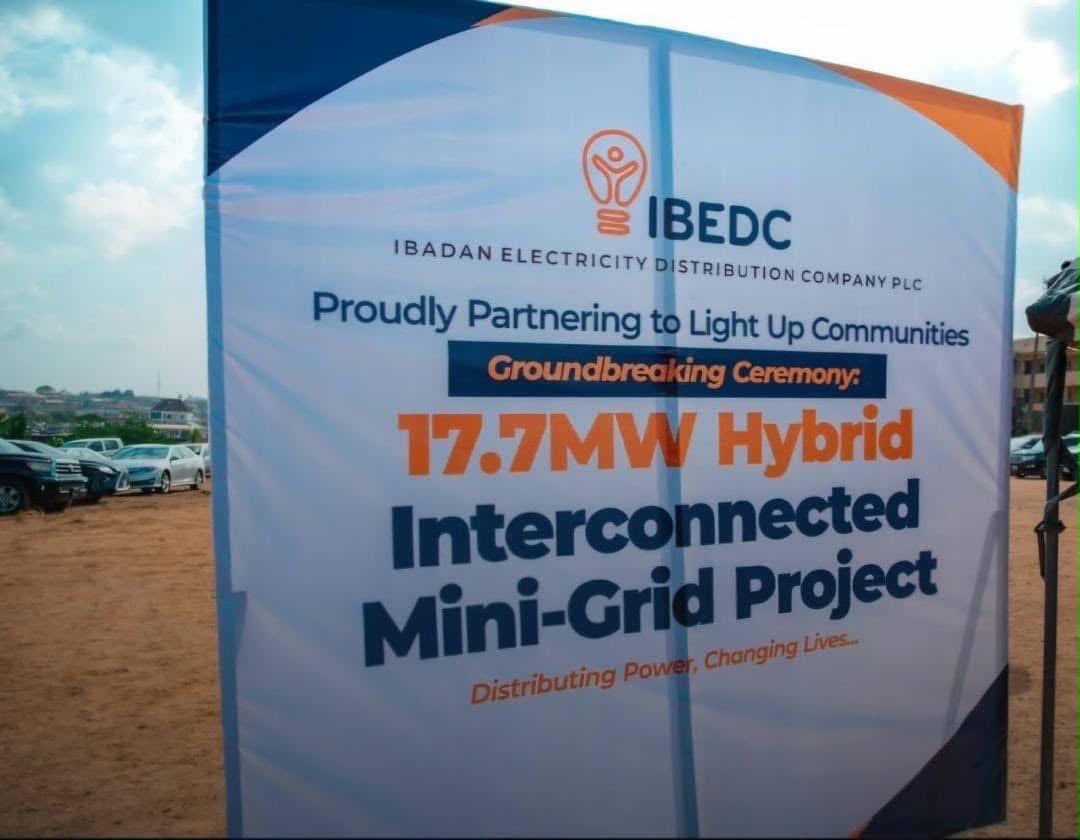
Ibadan’s Electricity Future: What Does 17.7MW Really Mean for Residents?
What if the future of electricity in Ibadan is not just about fixing the grid, but changing how power reaches the people who need it?
On 15 October 2026, a groundbreaking ceremony marked the start of a 17.7MW interconnected hybrid mini-grid project in Ibadan, supported by solar generation and battery energy storage.
But the most interesting part is not just the number. It is what this project could mean for the people living and working in the communities it is designed to serve.
What Is Happening?
According to IBEDC, the project is designed to serve five community clusters: Bola, Jiboye, Molade-Adelubi, Ogo-Oluwa and Sooko-Elega.
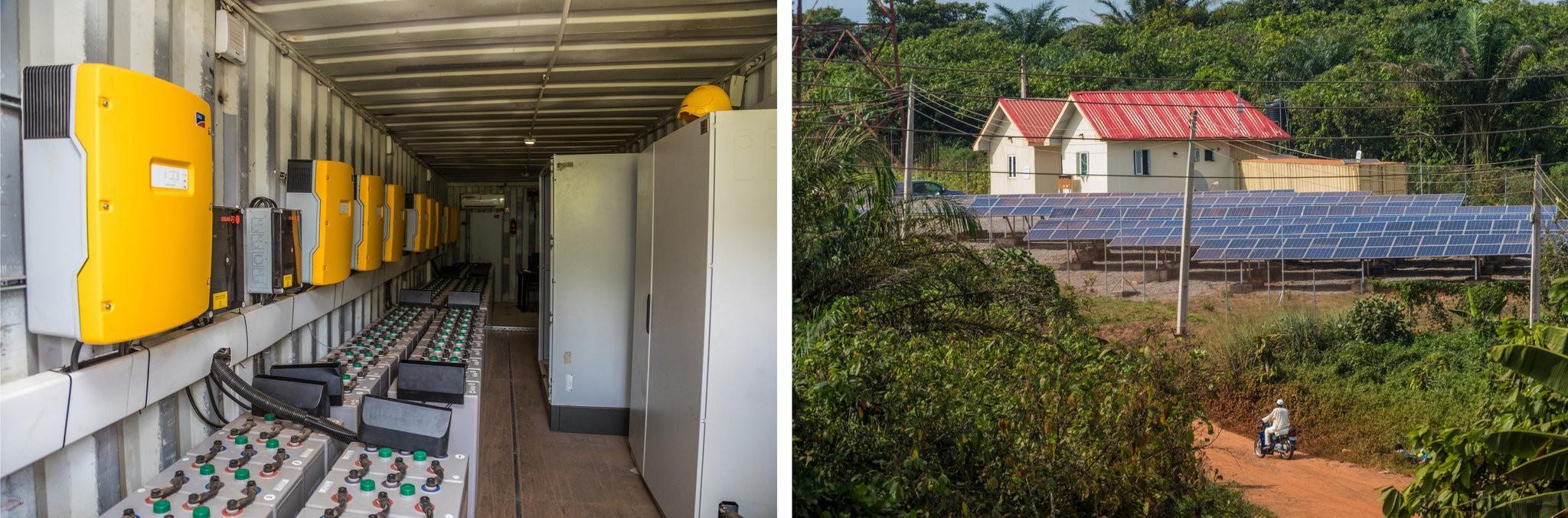
The planned system combines 17.7MW of solar photovoltaic capacity with a 17.74MWh battery energy storage system, connected to IBEDC’s existing distribution infrastructure.
Upon completion, the project targets improved electricity reliability, with government announcements indicating a goal of at least 20 hours of daily supply.
Important: the project has commenced construction. These are planned outcomes, not a guarantee that the target has already been achieved.
Source: IBEDC official announcement.
Why Should Residents and Businesses Care?
Reliable electricity can mean more than having lights at home.
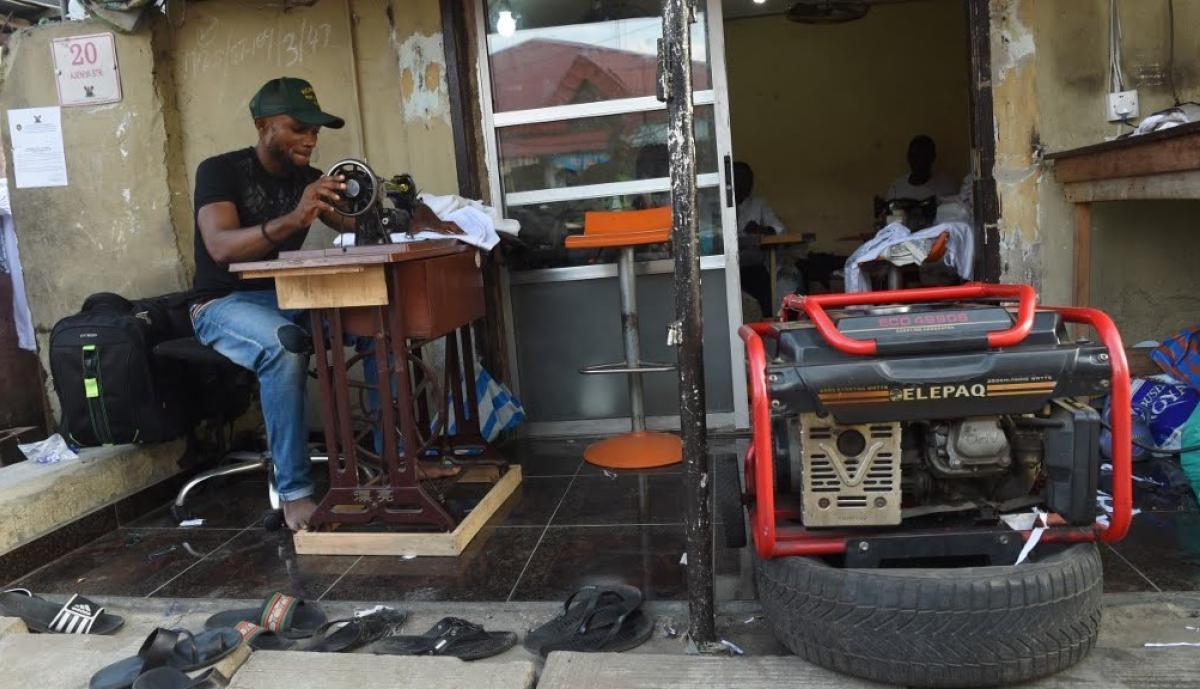
For a barber, it could mean serving more customers. For a cold-room operator, it could mean better control over refrigeration. For a small business, it could mean less dependence on running a generator whenever grid supply is unavailable.
These are potential benefits, of course. The real impact will depend on successful completion, dependable operation and how electricity is delivered to customers.
Is This the Future of Electricity in Nigeria?
Mini-grids offer one way to generate electricity closer to the communities that need it. When combined with battery storage and existing distribution infrastructure, they can complement the national grid rather than replace the entire system.Nigeria still needs improvements across generation, transmission and distribution. No single technology can solve every electricity challenge.
But projects like this raise an important question:
What if the future of electricity is not one solution for everyone, but a smarter combination of solutions designed around where and how people use power?
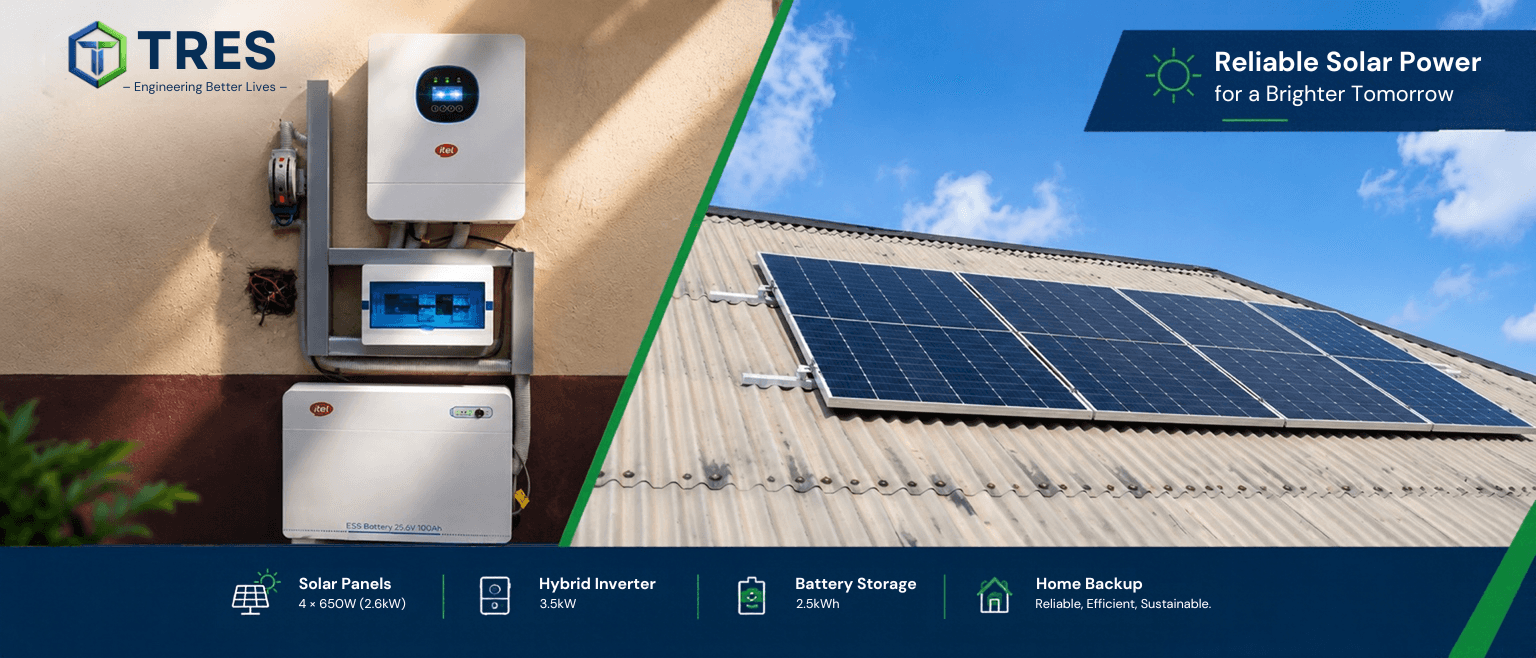
At TRES, we believe the future of energy depends on understanding real needs and applying the right technology.
For solar, battery storage and electrical solutions for your home or business, contact TRES on 07033979488 or 09130703970.
TRES — Engineering Better Lives.
0 comments
Join the conversation
No comments yet. Be the first to share a thought.
This article is general guidance from TRES. Every site is different — final decisions should follow a professional assessment and engineering design.