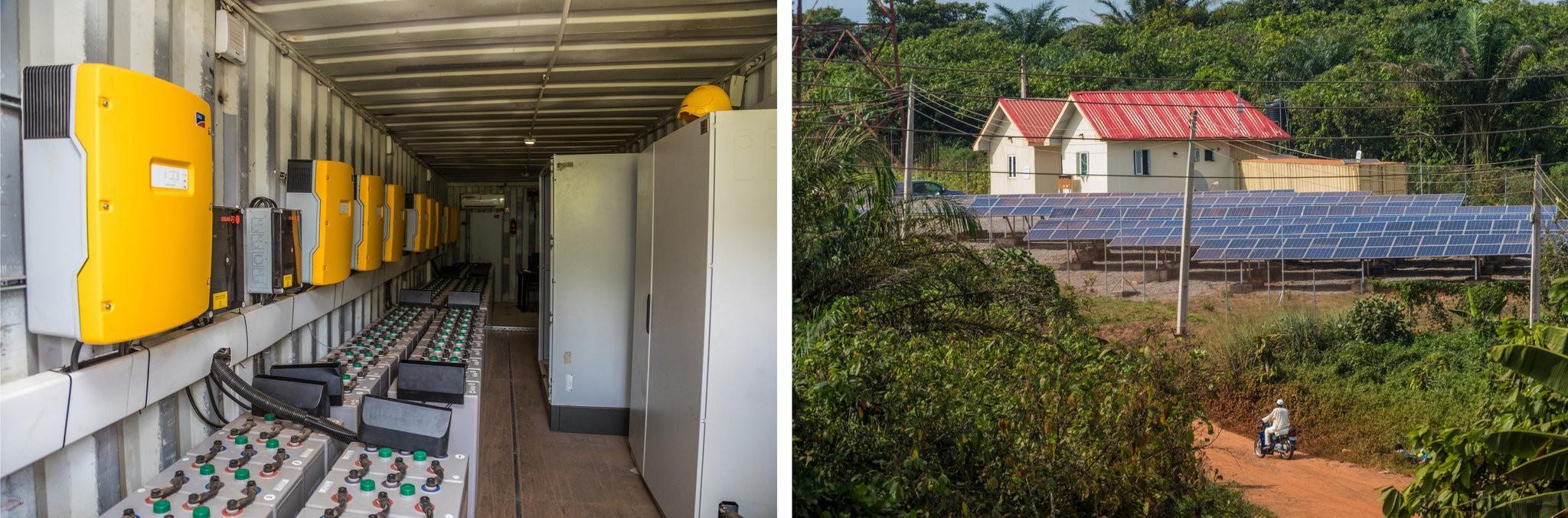

A solar system is not one number. It is at least three: how much solar generation you need, how much energy you need to store, and how much power the inverter must deliver at once. Each answers a different question about how you use electricity.
Daily energy — the solar question
Start with what you run and for how long. A refrigerator, lights, fans, a television and a few chargers add up to a daily energy figure measured in kilowatt-hours (kWh). Solar capacity is sized so that the array produces that energy over the useful sun hours available at your location, after real-world losses in panels, wiring and conversion.
Backup hours — the battery question
Battery storage is sized from the loads you want to keep running when there is no sun and no grid, multiplied by how long you need them to run. Not every appliance runs at once, and batteries should not be drained completely, so usable capacity — not the label — is what matters.
Peak load — the inverter question
The inverter must handle the highest power you draw at one moment, with headroom for motors such as pumps and air conditioners that surge on start-up. That is why an inverter is rated in kVA and why it is chosen separately from the solar array.
Why this needs a site assessment
An online estimate gets you to a sensible starting point. Roof orientation, shading, cable runs, existing wiring and your budget decide the final design. That is the work TRES does on site before any equipment is proposed.
- Use the TRES Solar Calculator for an indicative estimate.
- Share it with TRES for engineering review.
Join the conversation
No comments yet. Be the first to share a thought.