
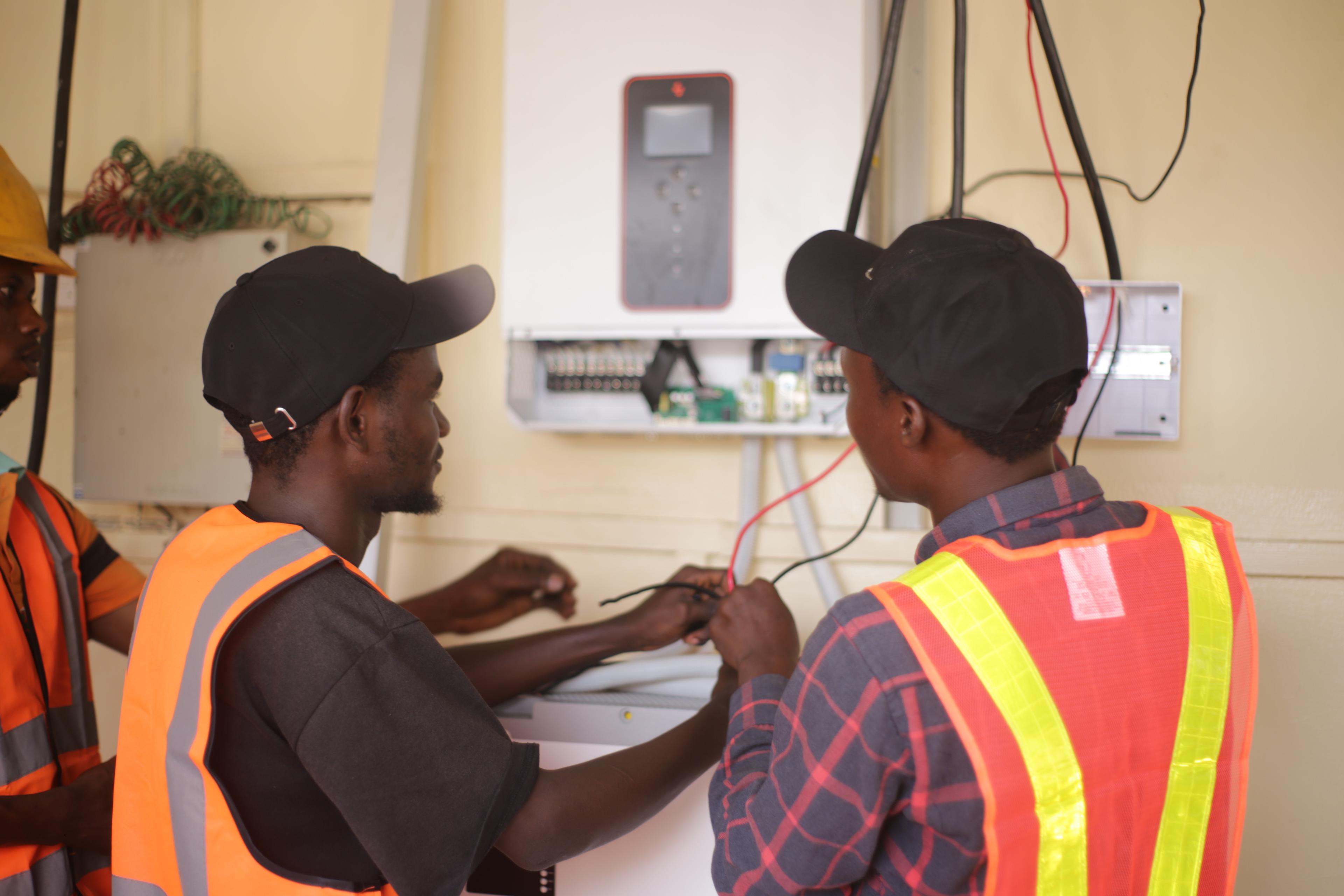
Garri Processing Factory
12 KW three-phase, 15 kWh battery storage with 8 kW solar PV for a garri processing factory in Ife, Osun State.
On site.
Full details
The challenge
The garri processing facility in Ife, Osun State, faced the challenge of managing rising operational energy costs while maintaining a reliable power supply for its production activities. The facility relied on gas to power its processing machinery, creating a significant recurring fuel expense, while unstable electricity supply added another layer of uncertainty to daily operations. The combination of gas consumption costs and inconsistent grid power placed pressure on operating expenses and made dependable energy management increasingly important. The facility needed a more sustainable and cost-conscious approach to powering its operations without compromising the demands of industrial food processing. TRES recognised an opportunity to address these energy challenges through an integrated solar PV and battery storage solution designed to support the facility's electricity needs, reduce dependence on conventional power sources where feasible, and provide a pathway towards better long-term energy management.
Our approach
TRES approached the project by recognising that energy costs and power reliability were interconnected challenges affecting the facility's operations. The solution needed to consider the facility's electrical demand, the role of its gas-powered machinery, the limitations of unstable grid electricity, and opportunities to utilise solar energy more effectively. The engineering approach centred on a 12 kW three-phase solar PV system integrated with 15 kWh of battery storage. The system was intended to provide an alternative source of electricity for compatible loads while storing energy for use when solar generation was insufficient. An important consideration was distinguishing between machinery that could be powered electrically and equipment that would continue to require gas. This allowed the solar solution to be positioned as part of a broader energy-cost and reliability strategy, rather than assuming that every gas-powered machine could be replaced directly by solar electricity.
What we built
TRES implemented a solar PV and battery storage solution comprising a 20 kW three-phase solar system and 15 kWh of battery storage for the garri processing facility in Ife, Osun State. The system integrates solar electricity generation with battery storage to support compatible electrical loads and make productive use of available sunlight. During suitable solar conditions, the installation can supply electricity to supported equipment while charging the batteries. Stored energy can subsequently help meet electrical demand when solar generation declines, subject to battery charge levels and operating loads. By introducing solar generation and energy storage into the facility's energy mix, TRES provided an approach to managing electricity demand with less reliance on conventional grid power when conditions permit. The solution also creates an opportunity to assess how suitable electrical loads can be supported by solar energy, potentially easing some of the facility's exposure to conventional energy costs while retaining gas for machinery that still requires it.
The result
The project delivered a 12 kW three-phase solar PV system with 15 kWh of battery storage, introducing renewable electricity generation and energy storage into the facility's energy infrastructure. The installation addresses two important operational concerns: dependence on an unstable electricity supply and the pressure of recurring energy expenses in an energy-intensive processing environment. By providing an additional source of electricity for compatible loads, the system is designed to improve energy flexibility and reduce reliance on grid electricity when solar power and stored energy are available. The project demonstrates TRES's practical approach to industrial and agro-processing energy challenges, combining solar technology and battery storage to support more informed, efficient energy management. The extent of any reduction in gas consumption, electricity expenditure, or operating downtime depends on which loads the system serves and on verified operational performance.
More projects.
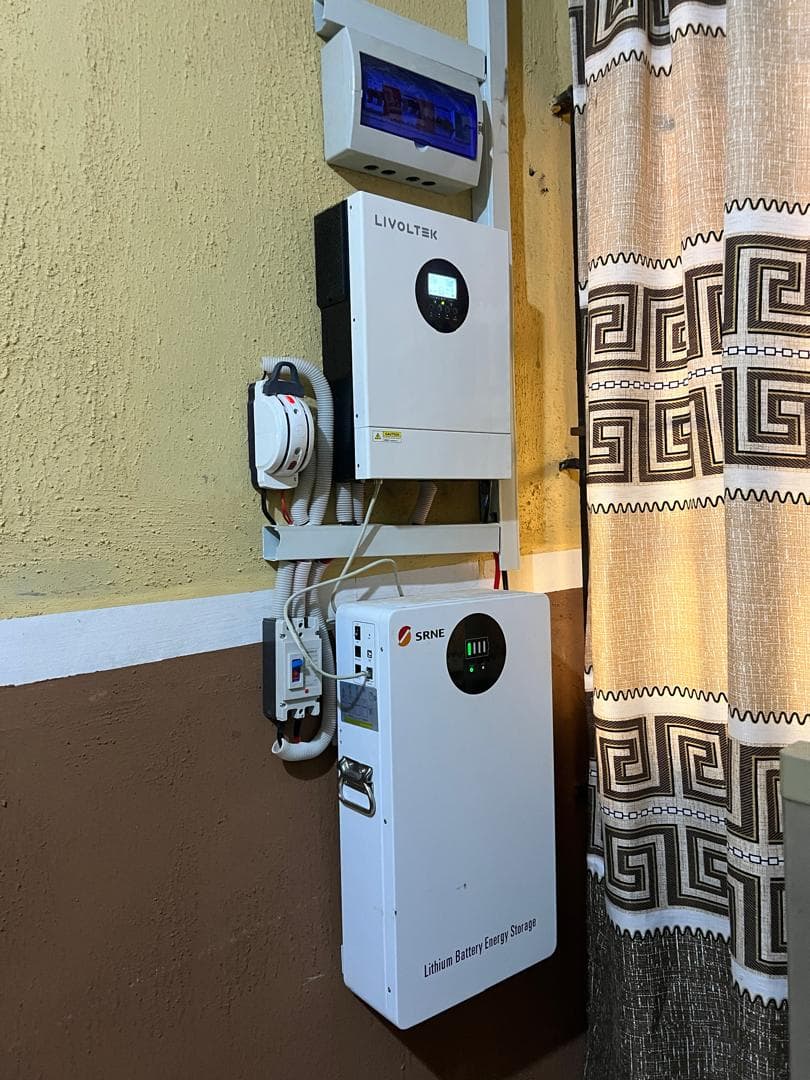
Private Residence, Ibadan
Ibadan, Oyo State · 15 kWh storage + 6.2 kW solar
6.2 kW Inverter with 15 kWh battery storage for a private residence in Ibadan, Oyo State.
View project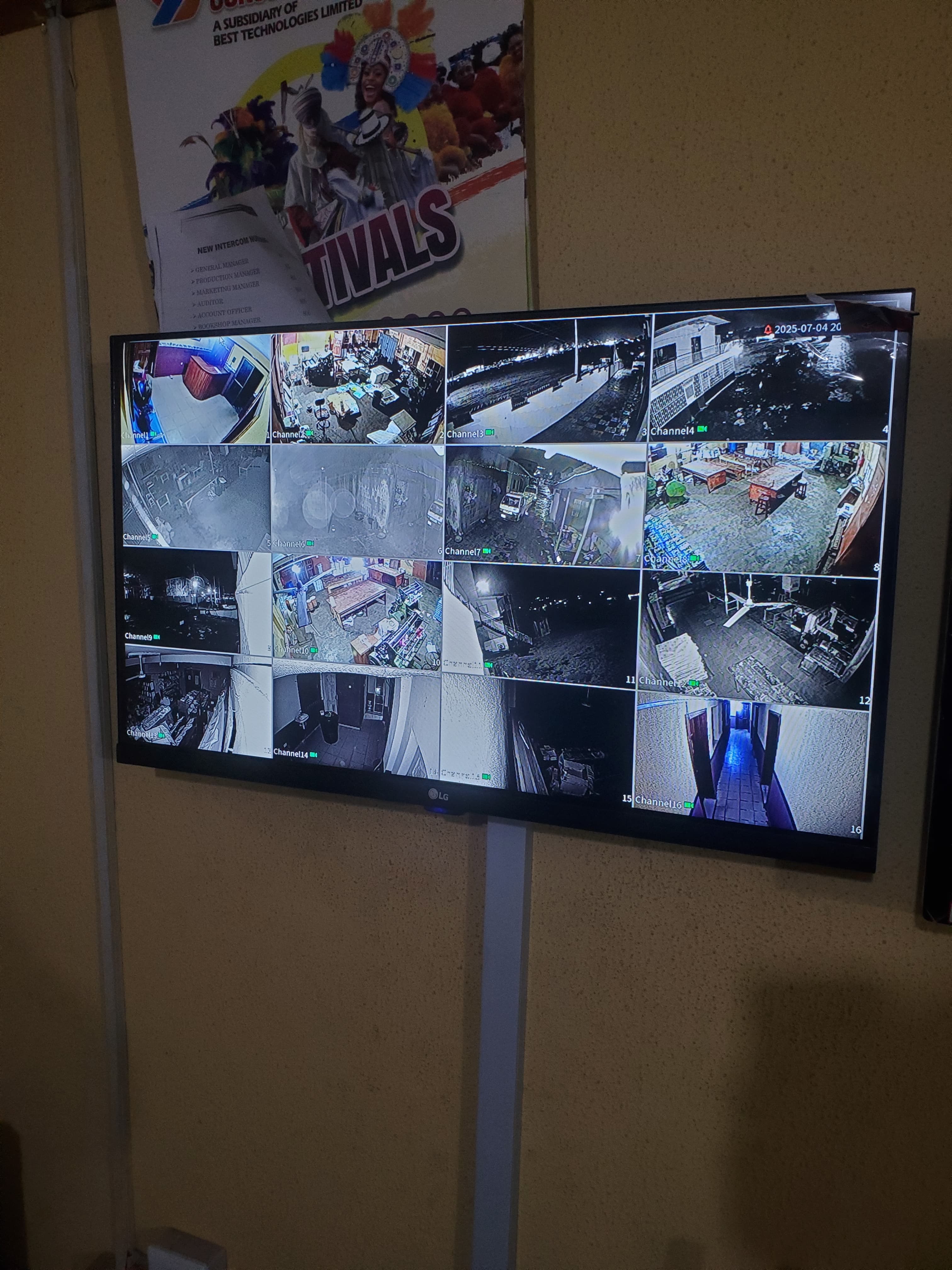
Gofamint Printing Press Bookshop
Ibadan, Oyo State · 16-camera full-site security
16-camera full-site security system for a printing press and bookshop in Ibadan, Oyo State.
View project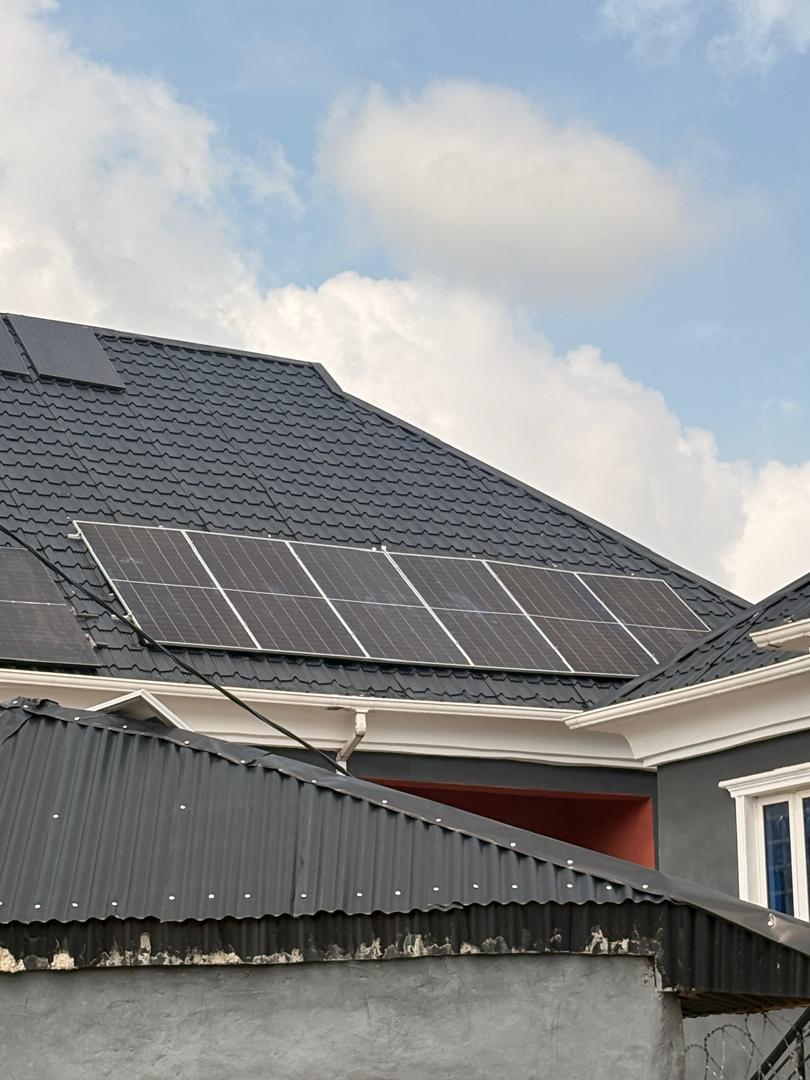
Private Residence, Ibadan
Ibadan, Oyo State · 8 kWh storage + 3.6 kW inverter
3.6 kW inverter, 3.9 kWp solar array, and 8 kWh of battery storage.
View projectWant something like this?
Tell us about your Industrial / Agriculture — we'll design a system around your actual load and budget.